Posted on

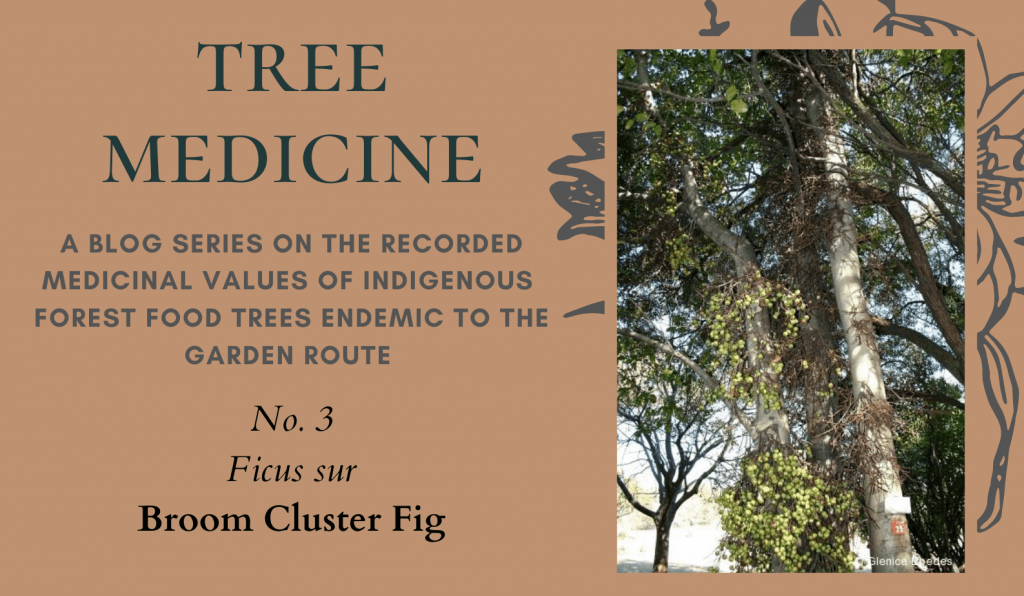
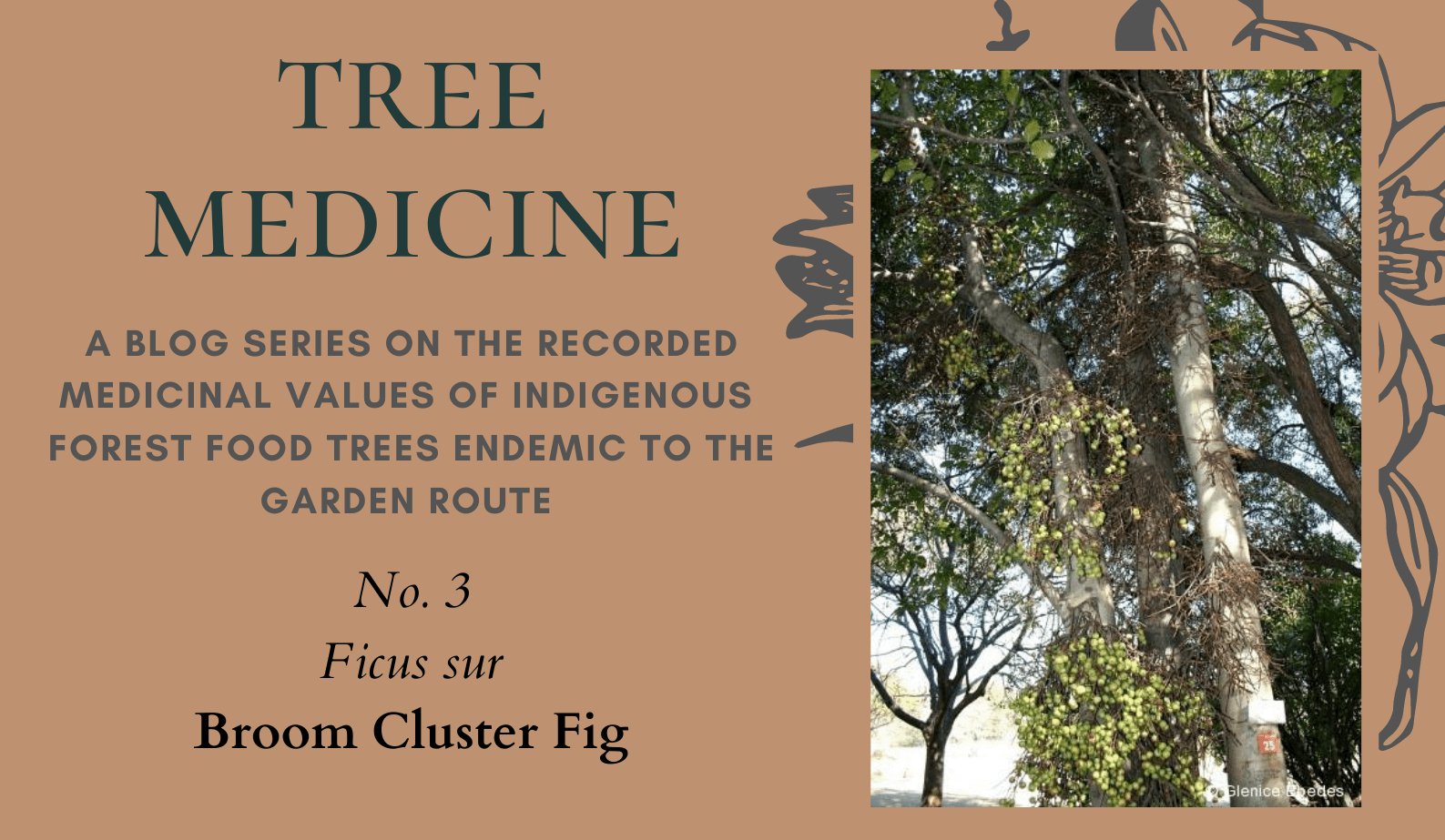
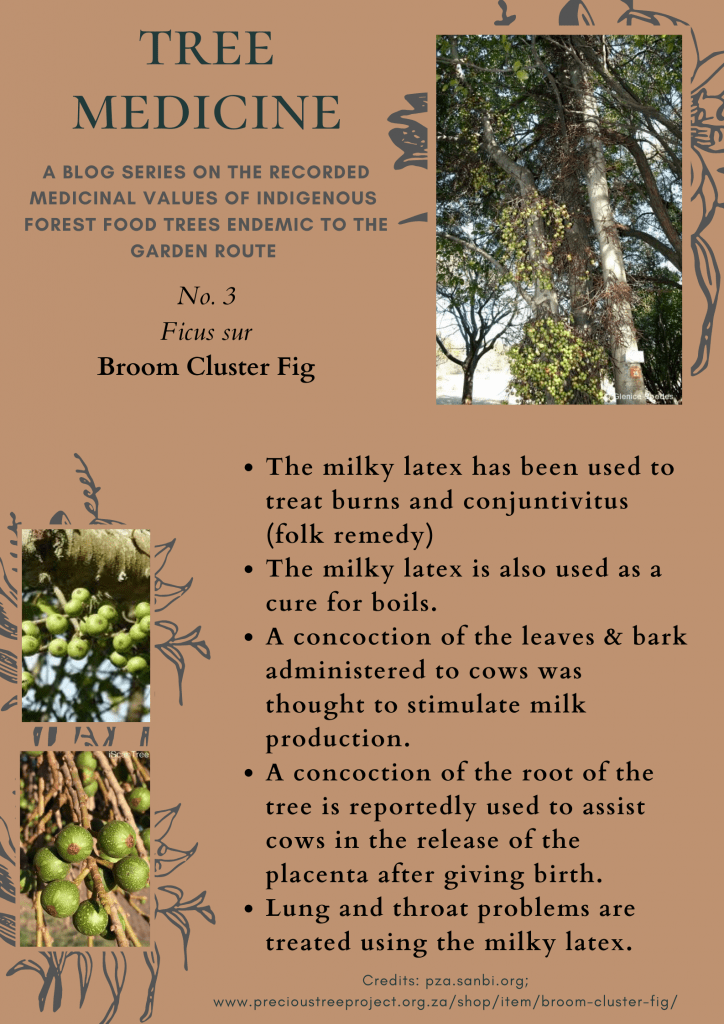
Tree Medicines of the Garden Route: Broom Cluster Fig

Tree Medicines of the Garden Route - Broom Cluster Fig - Precious Tree Project

Scientific name: Ficus sur.
Family: Moraceae.
Common names: Broom cluster fig (Eng.); Besem-trosvy (Afr.); Mogo-tshetlo (North Sotho); Umkhiwane (Xhosa); Umkhiwane (Zulu).

This species is widely distributed through Western Cape into Africa and are usually found on riverbanks and in riverine forest areas, but can also be found in drier woodlands. Their habitat is restricted to frost-free areas with moderate rainfall. All South African figs are edible, although they are not all palatable and are often infested with insects and larvae. Characteristic of all figs is the copious white latex, which is secreted from any damaged part of the plant.

Note:

a. When harvesting any indigenous tree, do so sustainably. Different trees and different parts of a tree have their own harvesting methods and periods throughout the year. The South African National Biodiversity Institute has informative harvesting tips on their website (SANBI link below).

b. As with any medication, when using plants for their medicinal values it is recommended that you seek professional guidance from a natural health practitioner and undertake appropriate research before use.

For additional information on germination, propagation, ecology, maintenance, etc. of indigenous SA trees, go to: www.sanbi.org.za

Click here if you would like to sponsor a Broom Cluster Fig and help grow a mini forest!
Posted on

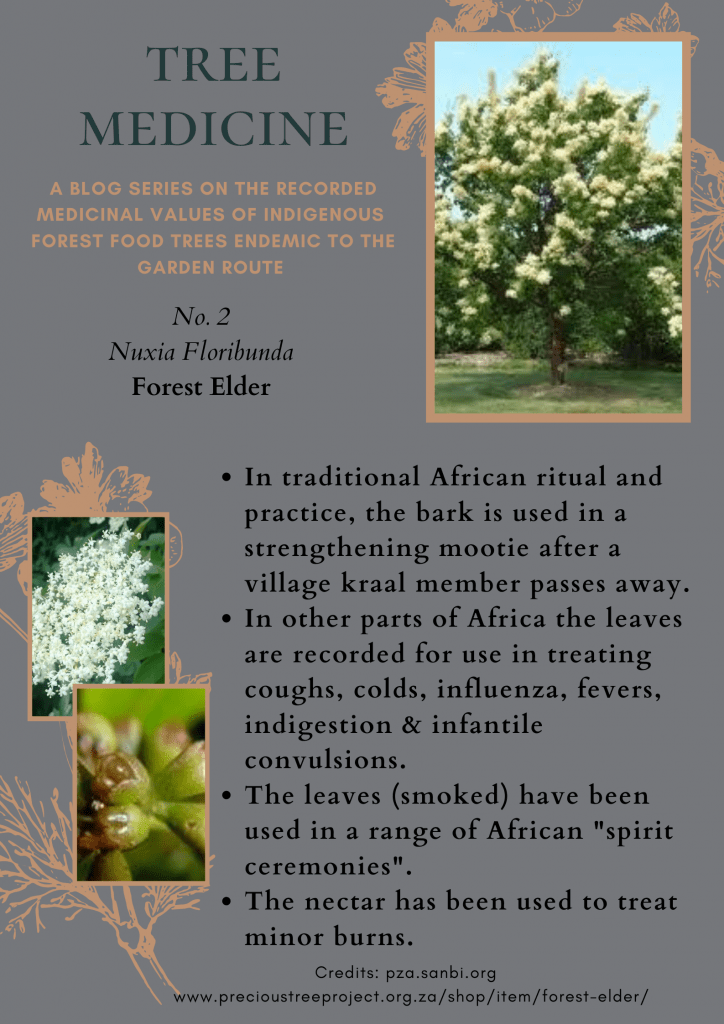
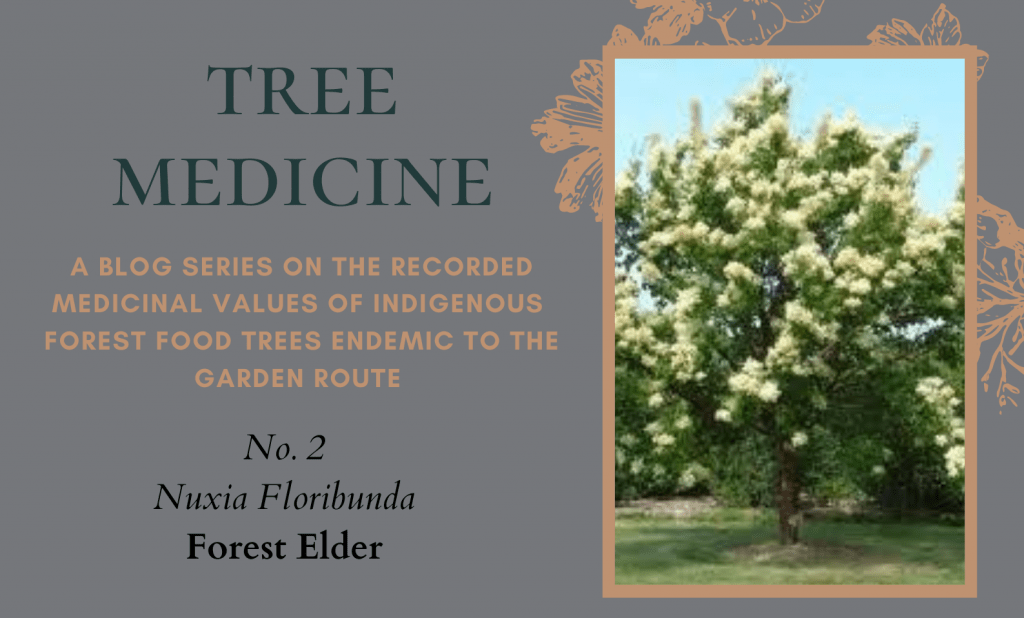
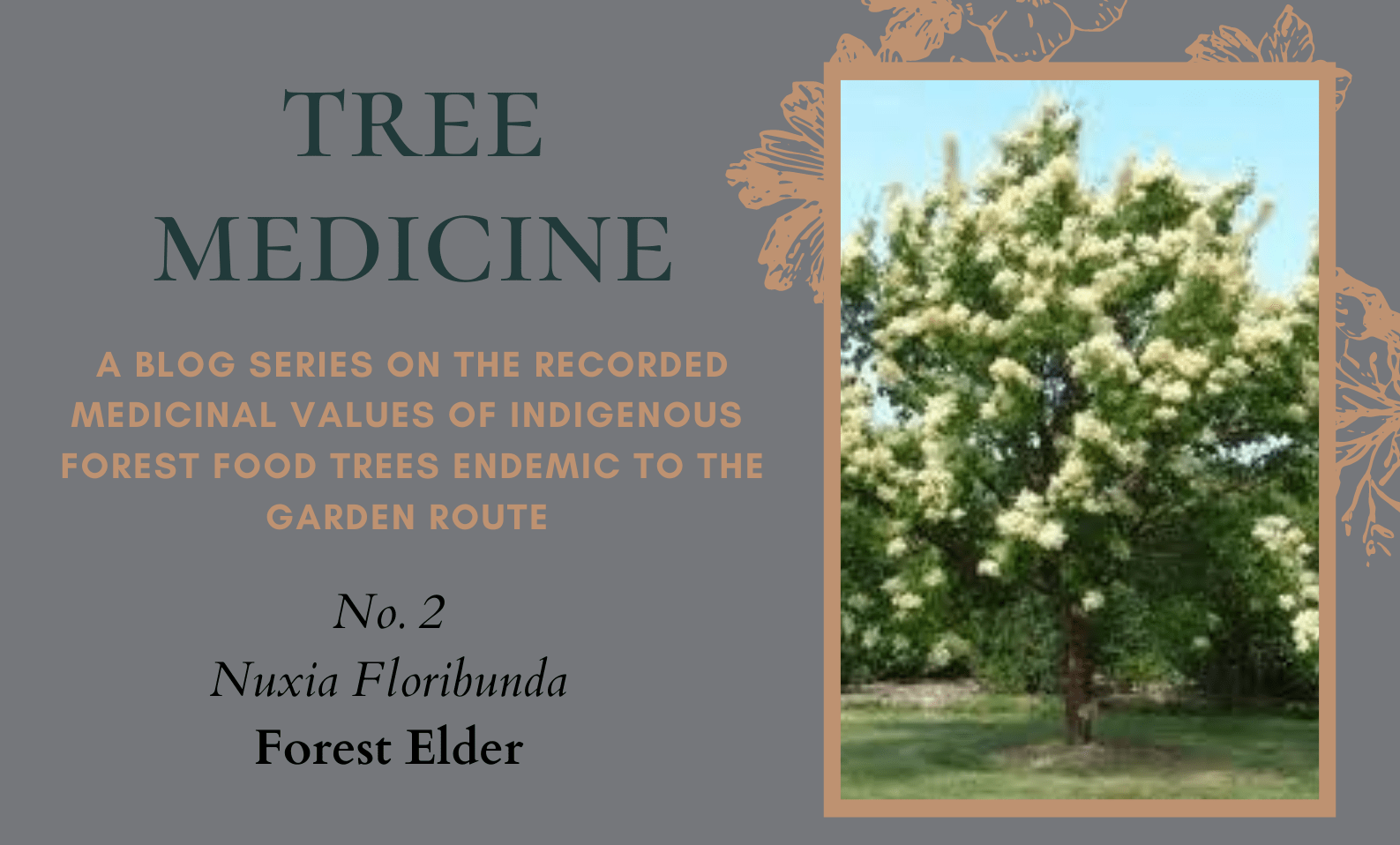
Tree Medicines of the Garden Route: Forest Elder

Scientific name: Nuxia floribunda Benth.
Family: Stilbaceae.
Common names: Forest Elder; Forest Nuxia; Wild Elder (Eng.); Bosvlier; Vlier (Afr.); umHlambandlazi, iThambo, Ingobese, Isanywana, umKhobeza (Zulu); iNgqota, isiKhali (Xhosa); Motlhabare (Northern Sotho); Mula-notshi; Mpupumwa (Venda).

The forest elder is widely spread in the coastal & mountain forest belts of SA, extending from the Cape Midlands through to the Limpopo. The forest elder is comprised of bark that is fibrous and stringy, leaves in whorls of three and the flowers which are bisexual. The sweet smelling creamy-white flowers appear in large clusters from late Autumn to end of Spring and are seen to be both self-pollinating and insected-pollinated, primarily bees, in search of nectar and pollen. Full flowering occurs usually every second year where an abundance of fruit on the tree develops.

Notes and tips:

a) Bear in mind when harvesting any indigenous tree to do so sustainably. Different trees and different parts of a tree have their own harvesting methods and periods throughout the year. The South African National Biodiversity Institute has informative harvesting tips on their website (SANBI link below))

b) As with any medication, when using plants for their medicinal values it is recommended that you seek professional guidance from a natural health practitioner and undertake appropriate research before use.

For additional information on germination, propagation, ecology, maintenance, etc of indigenous SA trees, go to: www.sanbi.org.za

Click here if you would like to sponsor a Forest Elder and help grow a mini forest!
Posted on

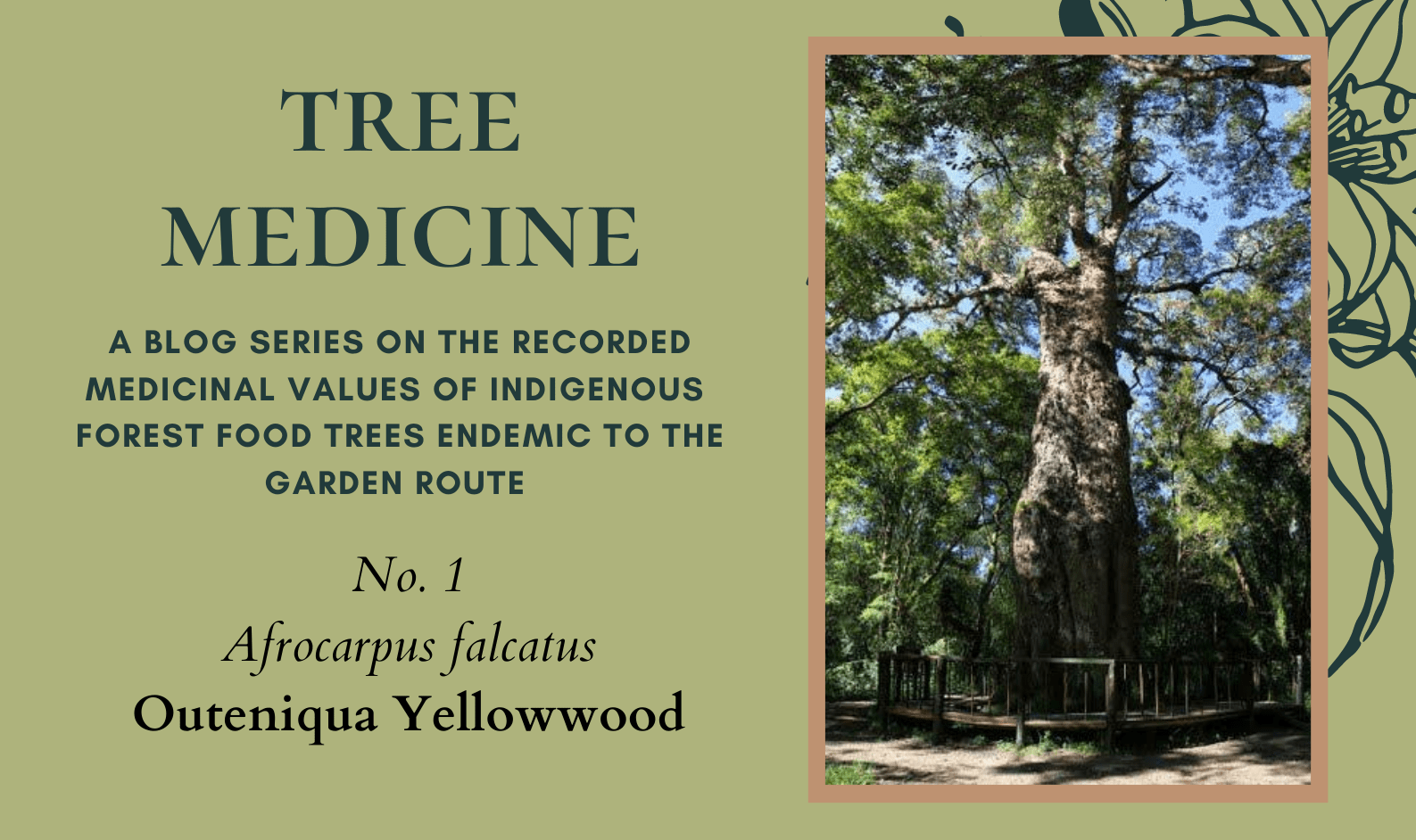
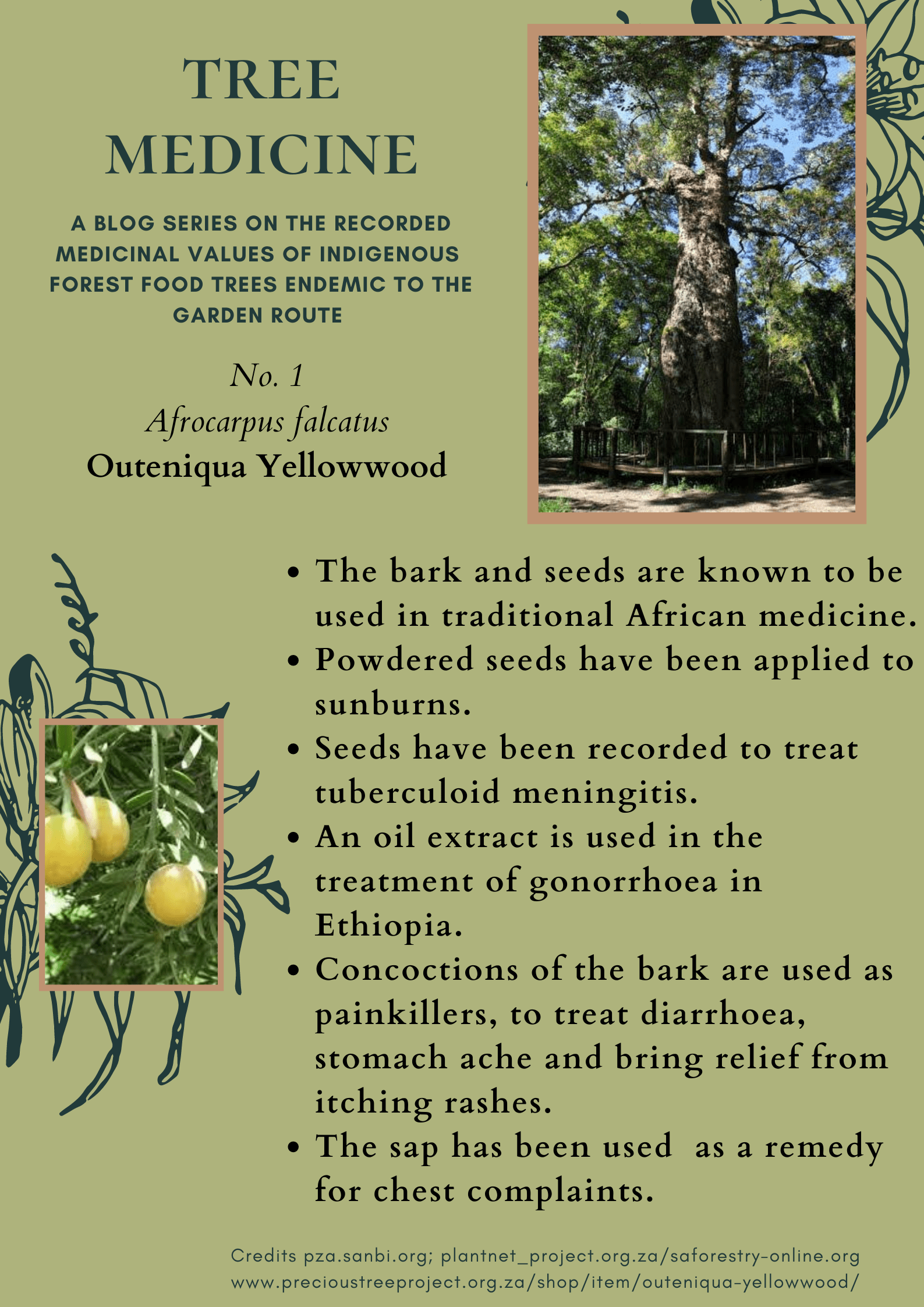
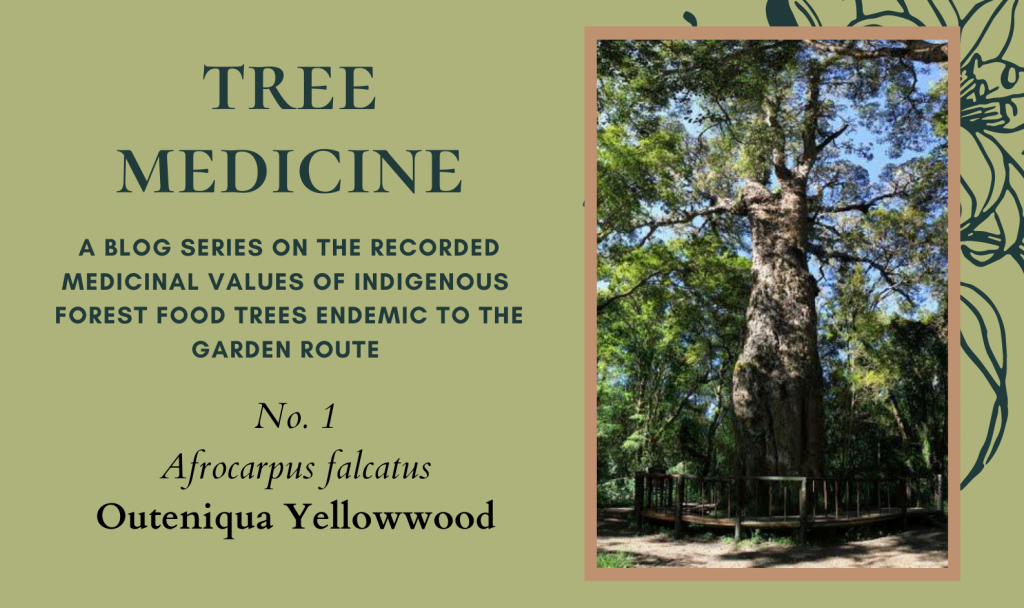
Tree Medicines of the Garden Route: Outeniqua Yellowwood

Tree Medicines of the Garden Route - Outeniqua Yellowwood - Precious Tree Project NPO

Scientific name: Afrocarpus falcatus.
Family: Podocarpaceae.
Common names: Outeniqua yellowwood (Eng), Outeniekwageelhout (Afrikaans) Mogôbagôba (Northern Sotho), Umsonti (Zulu).

The Outeniqua Yellowwood grows in most forests in South Africa and is prolific in the Garden Route. Trees in the podocarpacea family are dioecious, which means that they are either male or female. The male cones of the Outeniqua Yellowwood develop during early summer (November) on the twigs produced the previous year and the pollen is released by the end of the next winter (a two-year period). Male trees can be identified by the dry cones on the forest floor. The female cones develop with new leaves in spring and are pollinated when the pollen is released from the almost one-year old male cones. The large, yellow, fleshy fruits take approximately 12 months to ripen.

Yellowwood trees are protected under the National Forests Act, 1998, as amended, and may not be cut, damaged, destroyed or disturbed without a licence granted by the Department of Agriculture, Forestry & Fisheries (Forestry branch).

Note:

a. Bear in mind when harvesting any indigenous tree to do so sustainably. Different trees and different parts of a tree have their own harvesting methods and periods throughout the year. The South African National Biodiversity Institute has informative harvesting tips on their website (SANBI link below))

b. As with any medication, when using plants for their medicinal values it is recommended that you seek professional guidance from a natural health practitioner and undertake appropriate research before use.

Click here if you would like to sponsor an Outeniqua Yellowwood and help grow a mini forest!
For additional information on germination, propagation, ecology, maintenance, etc. of our indigenous SA trees in the Garden Route, go to: www.pza.sanbi.org.za

Posted on

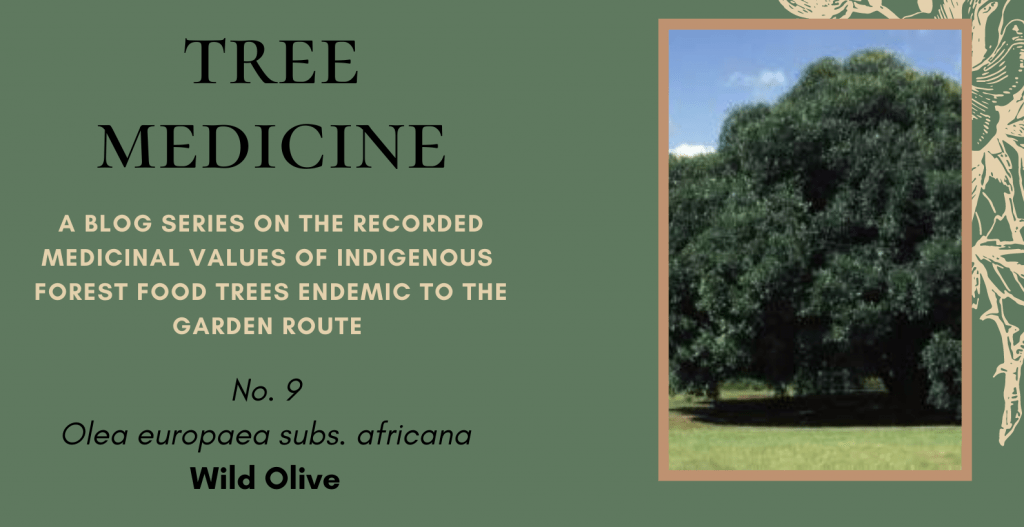
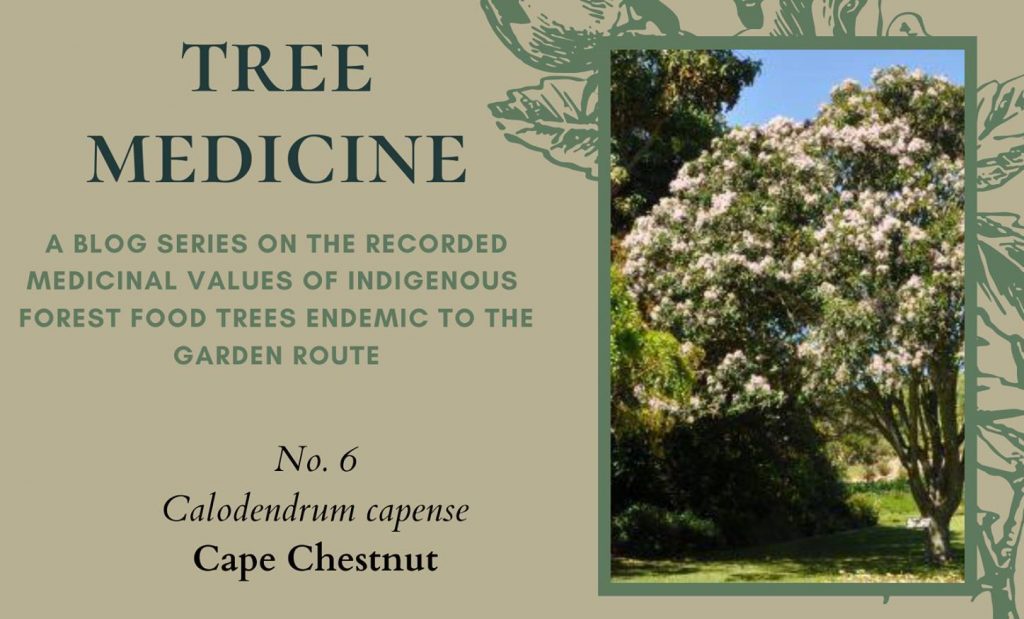
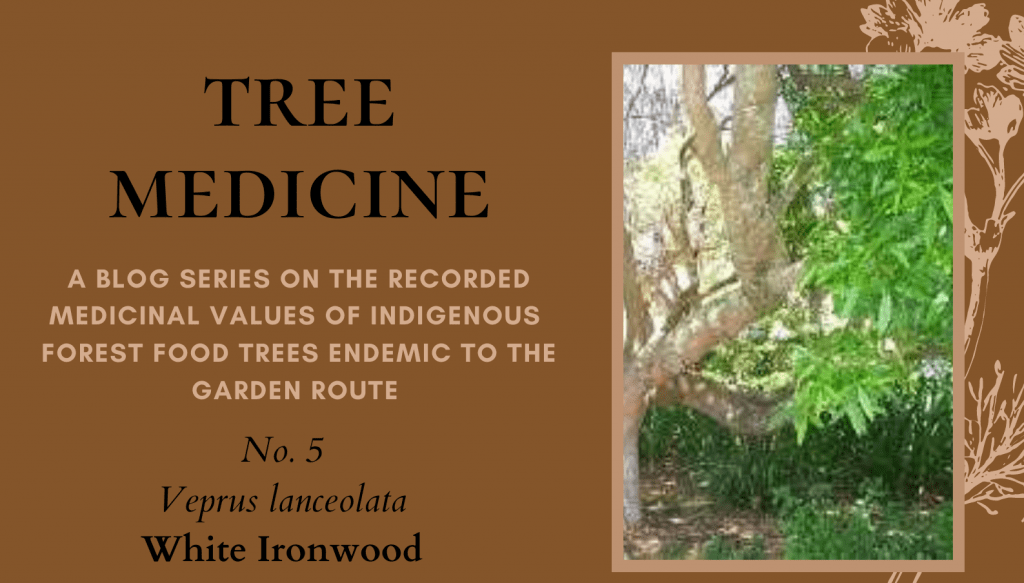
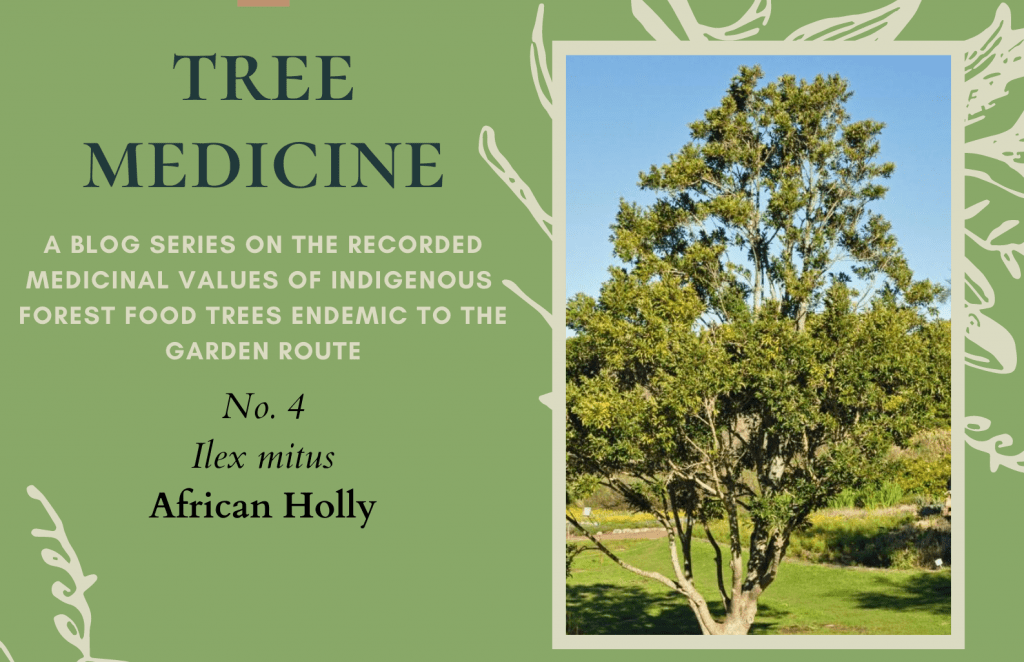
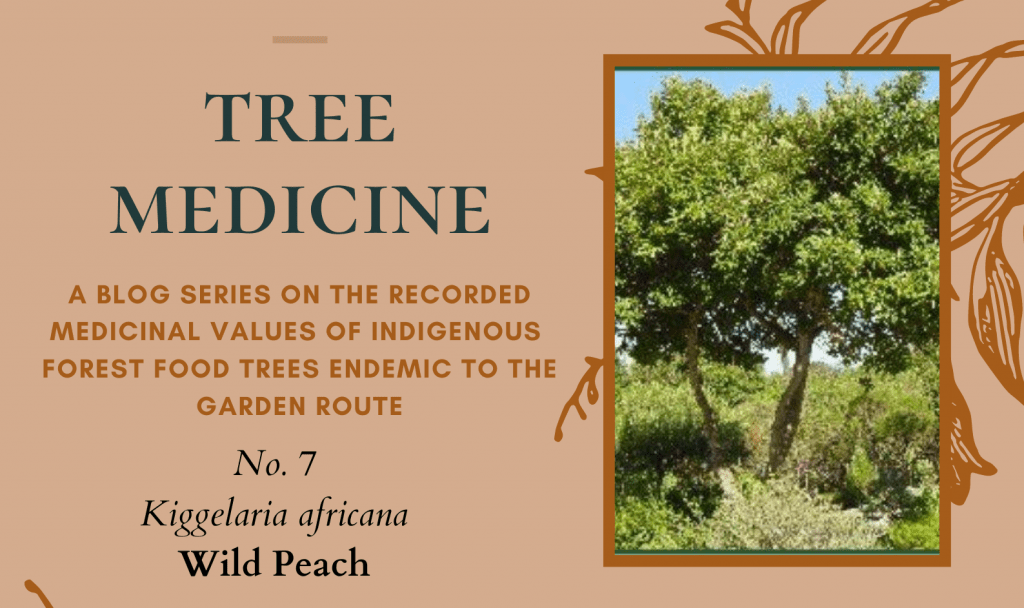
Tree Medicines of the Garden Route

From the start of our activities, and as part of our ongoing mission to assist the natural regeneration of our local forests, we have focused on planting out indigenous forest trees in the form of mini “bio-mimicked forest patches” that emulate the larger endemic forest regions found in the Garden Route. The mini “forest patches” being planted out comprise a variety of different trees that are indigenous to the Garden Route and endemic to the planting sites selected.

As more media attention is being given to the important role that trees and forests play in our lives, many of us are becoming more aware of the apparent and not so apparent benefits that forests and trees play in the overall health & wellbeing of all life on the planet … bringing biodiversity to a region, creating havens and a source of food for insect and wildlife, filtering our soils, air and water, absorbing carbon & releasing oxygen … all as the forest grows and matures.

Health professionals themselves are increasingly recommending a re-connection to the natural environment and promoting natural alternatives such as walking in nature, taking a forest bathe, meditating under a tree and breathing in phytoncides (immune boosting compounds released by trees) for emotional and mental wellness.

What many of us do not know is that many trees also offer medicinal values that have been recorded over the years. We do not normally think of trees for their medicinal values, but like most herbal and plant medicines, many trees themselves have a range of medicinal values and can be used in the same way as other herbal preparations – infused teas, tinctures, oils, concoctions, salves and poultices – to alleviate certain ailments.

If you live in the Garden Route and you are interested in some of the medicinal values that many of our local indigenous forest food trees have been recorded to offer, watch this space!

Related Posts